Great Phone Cameras in 2026

 Gadgets
Great Phone Cameras in 2026
Smartphone cameras have transformed from convenient afterthoughts into the primary imaging tools for the vast majority of people. In 2026, the gap between dedicated cameras and flagship phones has narrowed dramatically for everyday use, travel, portraits, low-light scenes, and even professional content creation. Modern flagships combine large sensors, advanced optics (often co-engineered with brands like Zeiss, Hasselblad, or Leica), powerful computational photography, and AI processing that can produce results once reserved for larger systems.
This article explores what defines a truly great phone camera today, examines the leading contenders based on independent testing and expert reviews, breaks down performance by category, offers practical shooting advice, and looks ahead at emerging trends. Whether you prioritize versatility, zoom reach, video quality, natural colors, or low-light prowess, the current generation of devices delivers exceptional capability.
The Evolution of Phone Cameras
Early smartphone cameras were basic point-and-shoot tools limited by tiny sensors and simple processing. Over the past decade, rapid advances changed everything. Multi-camera systems became standard, with dedicated ultrawide, telephoto, and sometimes periscope or continuous-zoom lenses. Sensor sizes grew significantly—many flagships now use sensors approaching or exceeding 1-inch class on the main camera—allowing better light gathering, dynamic range, and detail.
Computational photography proved equally transformative. Multi-frame stacking, night modes that capture dozens of exposures, AI-powered subject recognition, semantic segmentation for better portraits and bokeh, and advanced noise reduction turned software into a core part of the imaging pipeline. Video improved in parallel with higher resolutions (including 8K on some Android flagships), superior stabilization, cinematic modes, ProRes or high-bitrate codecs, and better audio.
By 2026, the best phones routinely deliver sharp, detailed, well-exposed images across lighting conditions, with optical or high-quality hybrid zoom reaching useful distances and video that rivals dedicated cameras for many creators. Chinese manufacturers (Vivo, Oppo, Xiaomi, Honor, Huawei) often lead in pure hardware ambition and still-photo quality, while Apple and Samsung excel in polish, consistency, ecosystem integration, and video. Google’s Pixel line continues to stand out for computational intelligence and natural results with minimal user effort.
What Makes a Phone Camera Great?
Several interconnected factors determine excellence:
Hardware foundations include sensor size and quality (larger sensors capture more light and detail with less noise), lens quality and aperture (brighter apertures like f/1.4 help in low light; multi-element designs reduce aberrations), optical image stabilization (OIS) or sensor-shift systems, and specialized optics such as periscope telephotos for true optical zoom beyond 3–5x. Multiple cameras covering ultrawide (typically 13–15mm equivalent), main/wide (23–26mm), and telephoto (50–200mm+ range) provide versatility without heavy cropping.
Software and processing matter enormously. Computational techniques merge multiple frames for higher dynamic range and lower noise. AI handles scene detection, skin-tone optimization, sky enhancement, and object removal. Color science varies by brand: some favor vibrant, saturated looks; others prioritize accuracy and natural tones. Consistency across focal lengths and lighting is a hallmark of the best systems.
Additional capabilities include strong low-light and night performance, accurate autofocus (including laser or advanced phase-detection), portrait modes with natural bokeh and edge detection, high-resolution modes that leverage high-megapixel sensors effectively, and video features such as 4K/8K recording, log profiles, external mic support, and excellent stabilization.
Real-world usability counts too: fast, reliable shutter response; good heat management during extended video; intuitive camera apps with pro controls (manual exposure, RAW/ProRAW, histograms); and battery life that supports heavy shooting.
No single phone dominates every metric. Trade-offs exist between maximum zoom reach, ultrawide quality, video endurance, color preference, size/weight, software support longevity, and regional availability.
Leading Contenders in 2026
Independent testing from sources such as DXOMARK, expert review sites, and hands-on comparisons consistently highlights a tight group of flagships.
Vivo X300 Ultra and X300 Pro frequently rank at or near the top for still photography. The Ultra model features large Zeiss-branded sensors across the system, including high-resolution main and telephoto units (often 200MP-class), delivering outstanding detail, excellent ultrawide performance in some tests, and strong zoom. Independent lab rankings and reviewer feedback praise its overall photo quality, portrait rendering, and ability to maintain high standards across focal lengths. The Pro variant has sometimes scored even higher in certain DXOMARK evaluations for specific scenarios like low light. These phones represent the ambitious hardware-first approach common among Chinese flagships.
Oppo Find X9 Ultra is frequently cited as a top overall or best-zoom contender. It stands out with versatile high-resolution sensors (including dual 200MP units in some configurations) and a distinctive long telephoto—often a native 10x optical option—that enables impressive distant detail. Hasselblad collaboration influences color and processing. Reviewers highlight its zoom photography, video capabilities in many tests, and comprehensive lens array. It regularly appears near the top of “best phone camera” lists for its ambitious specification and real-world results.
Xiaomi 17 Ultra (and related Leica-tuned variants) earns strong marks for balanced excellence, particularly in low light thanks to large sensors and advanced technology. Leica collaboration contributes to distinctive color science and processing. It is often recommended for enthusiasts seeking high detail, strong main-camera performance, and competitive zoom. Some configurations emphasize continuous or multi-focal telephoto systems.
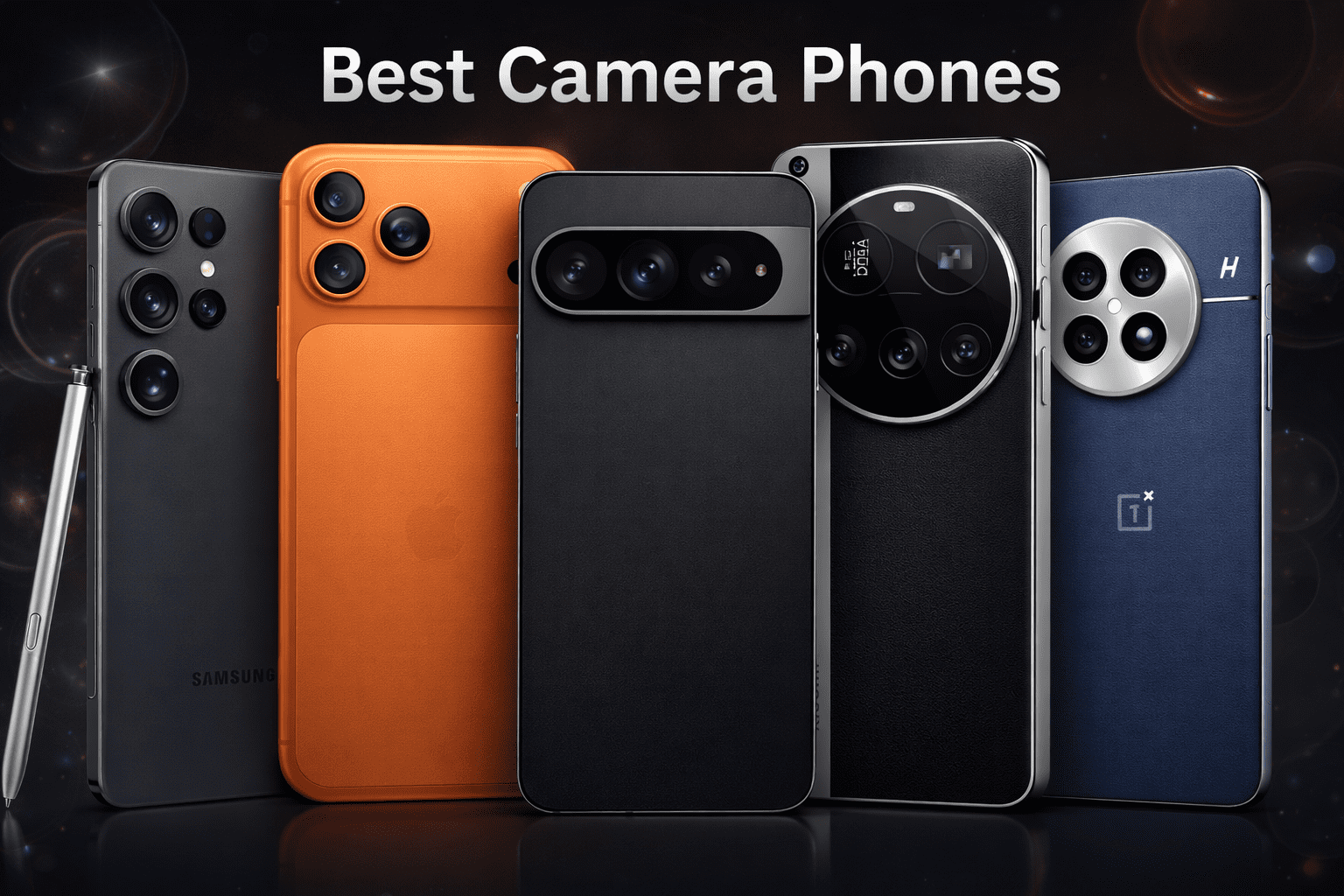
Samsung Galaxy S26 Ultra remains one of the most versatile mainstream choices, especially in markets where Chinese Ultra models have limited official availability. Its multi-camera setup typically includes a high-resolution main sensor (200MP class with bright aperture), ultrawide, and dual telephotos covering useful optical ranges (around 3x and 5x or similar). Reviewers praise its all-round consistency, zoom flexibility, selfies in some tests, and integration of Galaxy AI tools for editing (object eraser, generative fill, audio tools). It performs reliably across daylight, low light, and video, making it a safe flagship recommendation for many users.
Apple iPhone 17 Pro and 17 Pro Max lead in video quality according to numerous expert assessments. Apple’s computational pipeline, color accuracy (especially skin tones), dynamic range, and stabilization remain industry benchmarks for video. Hardware upgrades in the 17 series improved telephoto reach and resolution (higherGreat Phone Cameras in 2026: The Ultimate Guide to the Best Smartphone Photography
Smartphone cameras have reached a remarkable level of sophistication by September 2026. What once required a dedicated mirrorless or DSLR camera for professional results is now routinely achievable with a device that fits in your pocket. Flagship phones deliver exceptional detail, dynamic range, low-light performance, versatile zoom, and cinema-grade video—often with computational photography and AI enhancements that traditional cameras cannot match out of the box.
The competition is fiercer than ever. Chinese brands like Vivo, Oppo, and Xiaomi frequently lead independent lab tests and expert reviews with large sensors, advanced optics (often co-engineered with Zeiss, Hasselblad, or Leica), and aggressive hardware. Apple continues to dominate video consistency and natural color science. Samsung offers unmatched versatility with multi-lens zoom systems. Google excels at effortless, natural-looking point-and-shoot results through pure computational power.
This in-depth guide explores what defines a great phone camera today, ranks the top performers, breaks down strengths by category, compares the major platforms, and offers practical advice for choosing and using one.
What Makes a Phone Camera “Great” in 2026?
Several factors separate elite smartphone cameras from merely good ones:
Sensor size and quality remain foundational. Larger sensors (approaching or reaching 1-inch type on some Ultras) gather more light, reduce noise, and improve dynamic range. High-resolution sensors (50MP, 200MP) enable detailed crops and digital zoom while binning pixels for brighter low-light shots.
Optics and aperture matter enormously. Brighter apertures (f/1.4 on some main sensors) let in more light. Multiple dedicated lenses—ultra-wide, main, and one or more telephotos (often 3x, 5x, or even 10x optical/periscope)—provide true optical zoom without quality loss. Optical image stabilization (OIS) and advanced gyro-EIS keep shots and video steady.
Computational photography and AI are the great equalizers. Multi-frame stacking, Night modes, HDR processing, semantic segmentation for portraits, and generative AI tools (for example, filling in details or enhancing zoom) produce results that look polished with almost no user effort. Brands apply distinct “color science”: Apple favors natural and accurate tones; Samsung leans vibrant and saturated; Google prioritizes realism with strong shadow recovery; Chinese flagships often deliver punchy, high-contrast looks tuned with partner brands like Zeiss or Leica.
Video capabilities have become a major differentiator. Support for 4K/8K, high frame rates, ProRes/Log profiles, Dolby Vision HDR, excellent stabilization, and professional audio features turn phones into capable filmmaking tools.
Consistency across conditions—daylight, low light, portraits, zoom, ultra-wide, and video—is ultimately what defines the best systems. A phone that excels in one area but falters in others frustrates users more than a well-balanced performer.
Other practical factors include autofocus speed and accuracy, shutter lag, processing speed, battery impact during heavy camera use, and software features like Pro modes, RAW support, and easy sharing/editing.
The Top Contenders for Best Overall Phone Cameras
Vivo X300 Ultra (and X300 Pro)
Frequently ranked at or near the top by independent testers such as Connect and Notebookcheck, the Vivo X300 series stands out for pure photographic excellence. It features large sensors across the board, including a high-resolution main camera and a strong 200MP telephoto option. Zeiss optics help deliver sharp, detailed images with excellent color and contrast. The ultra-wide is particularly strong, and portrait performance is among the best thanks to natural skin tones and subject separation. Zoom quality at medium and longer ranges is outstanding. Availability can be limited outside certain markets, and prices are premium (often in the $1,400–$2,000 range depending on configuration and region).
Oppo Find X9 Ultra
Many Western review outlets name this the best overall camera phone of 2026. It combines high-resolution sensors, a versatile lens array (including a notable long telephoto, sometimes cited around 10x), and excellent video recording. Detail retention, noise control, portrait bokeh, and long-range zoom are standout strengths. Hasselblad tuning contributes to refined color and contrast. It performs consistently across lighting conditions and is frequently praised for both stills and video versatility.
Xiaomi 17 Ultra
A favorite among enthusiasts for its large main sensor (often approaching 1-inch class), Leica collaboration, and strong low-light performance. Zoom is excellent thanks to high-resolution telephoto options. Daylight shots show high detail and vibrant yet controlled colors. Some models feature unique design elements like adjustable camera rings. It ranks highly for pure image quality and is often recommended for photographers who want maximum hardware capability.
Samsung Galaxy S26 Ultra
Samsung’s latest Ultra remains one of the most complete packages, especially for users who want versatility. A bright f/1.4 200MP main sensor, dedicated ultra-wide, and dual telephotos (typically 3x and 5x optical) cover a wide focal range. Zoom performance, particularly at longer distances, is a major strength. Selfies are also competitive. Processing produces vibrant, saturated images that many users prefer for social media. Video includes strong stabilization and high-resolution options. It is widely available and benefits from Samsung’s ecosystem and long software support.
Apple iPhone 17 Pro and 17 Pro Max
Apple prioritizes consistency, natural colors, and industry-leading video. The Pro models feature upgraded sensors across main, ultra-wide, and telephoto (with improved optical zoom reach, often cited around 4x–5x with high-quality crops). Video tools—ProRes, Log, Dolby Vision, excellent stabilization, and reliable autofocus—make these the preferred choice for content creators and filmmakers. Stills are reliable and true-to-life, with strong portrait modes and improved front cameras (including advanced Center Stage capabilities). Battery life on the Pro Max is excellent for sustained shooting. Availability and resale value are strong advantages.
Google Pixel 11 Pro XL (and recent Pixel 10 Pro series)
Google’s strength is computational photography. Night Sight and related algorithms deliver some of the cleanest, most natural low-light results with minimal effort. Dynamic range is excellent, skin tones are pleasing, and the overall “point-and-shoot” experience is among the easiest and most reliable. Zoom and hardware variety have improved significantly. These phones often rank near the top in US-available devices on lab rankings such as DXOMARK.
Other notables
The Huawei Pura 80 Ultra frequently tops DXOMARK rankings (scores around 175) thanks to advanced XMAGE imaging, large sensors, and variable apertures, though limited Google services and regional availability restrict its appeal in many markets. Honor models (such as the Magic8 Pro) excel in specific areas like low-light telephoto performance. Sony’s Xperia line continues to appeal to professionals seeking manual controls and unique video features.
Best Phone Cameras by Category
Best for Video
The iPhone 17 Pro series leads. Consistent exposure, accurate colors, superior stabilization, professional codecs (ProRes, Log), and HDR workflows make it the tool of choice for creators who edit seriously or publish to platforms that favor Apple’s color pipeline. Many Android flagships now shoot 8K and offer strong stabilization, but few match Apple’s overall polish and reliability across scenarios.
Best for Zoom and Telephoto
Vivo X300 Ultra, Oppo Find X9 Ultra, Xiaomi 17 Ultra, and Samsung Galaxy S26 Ultra stand out. High-resolution sensors combined with optical or high-quality periscope telephotos (3x, 5x, and beyond) deliver usable results at longer distances. Samsung’s dual-telephoto approach provides flexibility, while some Chinese Ultras push optical quality further at specific focal lengths.
Best for Low Light and Night Photography
Google Pixel models (Night Sight), Xiaomi 17 Ultra (large sensor + processing), and certain Honor and Vivo devices excel. Multi-frame stacking and intelligent noise reduction recover impressive detail and color in near-darkness while controlling noise better than pure hardware alone would allow.
Best for Portraits and People Photography
Vivo X300 series and iPhone 17 Pro are frequent winners. Accurate skin tones, natural bokeh, strong subject detection/segmentation, and flattering focal lengths (often using telephoto lenses) produce professional-looking results. Samsung also performs well with its versatile lenses.
Best Ultra-Wide
Oppo and Vivo models often lead with autofocus-equipped ultra-wides that maintain high detail and minimal distortion. Consistency of color and exposure matching the main camera is a key differentiator.
Best Everyday / Point-and-Shoot
Google Pixel and iPhone generally require the least thought. Reliable automatic modes, consistent results, and minimal need to tweak settings make them ideal for casual users who still want excellent quality.
iPhone vs. Leading Android Flagships
The choice often comes down to philosophy and ecosystem.
Apple prioritizes predictability, video excellence, natural color, and seamless integration with other Apple devices and editing apps (Final Cut, Photos, etc.). Resale value and long software support are excellent.
Samsung offers the broadest hardware versatility (especially zoom) and vibrant processing that many prefer for social sharing, plus a mature ecosystem of accessories and features.
Chinese Ultra models (Vivo, Oppo, Xiaomi) frequently deliver the highest pure image quality and most ambitious hardware at a given price point, but may involve trade-offs in software polish, long-term updates, regional availability, or services depending on the market.
Google focuses on intelligent, natural results with minimal user intervention and strong AI features.
In blind tests and lab rankings, the top Android Ultras often edge pure photo scores, while iPhones frequently lead video and consistency metrics. Real-world preference depends heavily on personal color taste and primary use case.
How to Choose the Right Great Camera Phone
Consider these questions:
- Do you shoot more stills or video? (Video → iPhone; pure photo ambition → Vivo/Oppo/Xiaomi Ultra)
- How important is optical zoom reach? (Samsung or long-telephoto Ultras)
- Do you prioritize natural colors or punchy, social-media-ready images?
- Is low-light performance critical? (Pixel, Xiaomi, or strong Night modes)
- What is your budget and preferred ecosystem (iOS vs Android, availability of Google services)?
- Do you need professional features (RAW, Log, manual controls)?
Also factor in overall phone experience: display quality (important for reviewing shots), battery life during camera use, processing speed, and software support duration.
Tips for Getting the Most from Any Great Phone Camera
Even the best hardware benefits from good technique:
- Clean the lenses regularly.
- Use the appropriate lens for the distance (avoid digital zoom when optical is available).
- Enable Night mode or HDR when appropriate, but learn when automatic processing over-sharpens or alters colors.
- Shoot in RAW or high-bit formats when you plan to edit.
- Stabilize with both hands or a small tripod/gimbal for low light and video.
- Experiment with Pro modes and third-party apps for more control.
- Take advantage of AI editing tools carefully—they can enhance but also introduce artifacts.
The State of Smartphone Photography and Looking Ahead
In 2026, the gap between flagship phone cameras and entry-level dedicated cameras continues to narrow for everyday and even enthusiast use. Computational photography has democratized excellent results. At the same time, the best phones still cannot fully replace interchangeable-lens systems for specialized work (extreme low light without noise, shallow depth of field at longer focal lengths without computational bokeh, or the highest resolution and dynamic range).
Future improvements will likely focus on even larger or more efficient sensors, better variable apertures, improved periscope designs, more sophisticated generative AI for zoom and editing, and tighter integration of multi-camera systems. Video capabilities will keep expanding toward true professional workflows.
Final Recommendations
For most people seeking the best all-around experience with excellent video: iPhone 17 Pro or Pro Max.
For maximum photographic ambition and zoom: Vivo X300 Ultra, Oppo Find X9 Ultra, or Xiaomi 17 Ultra.
For versatile everyday flagship performance with strong zoom: Samsung Galaxy S26 Ultra.
For effortless natural results and low light: Google Pixel 11 Pro series.
The “greatest” phone camera is the one that matches your shooting style, budget, and preferred software ecosystem. In 2026, you have more genuinely excellent options than ever before. Whichever you choose, modern smartphone cameras make it remarkably easy to capture memorable, high-quality images and video every day.


