Delta flight dl275 diverted lax

 📱 Tech News
delta flight dl275 diverted lax
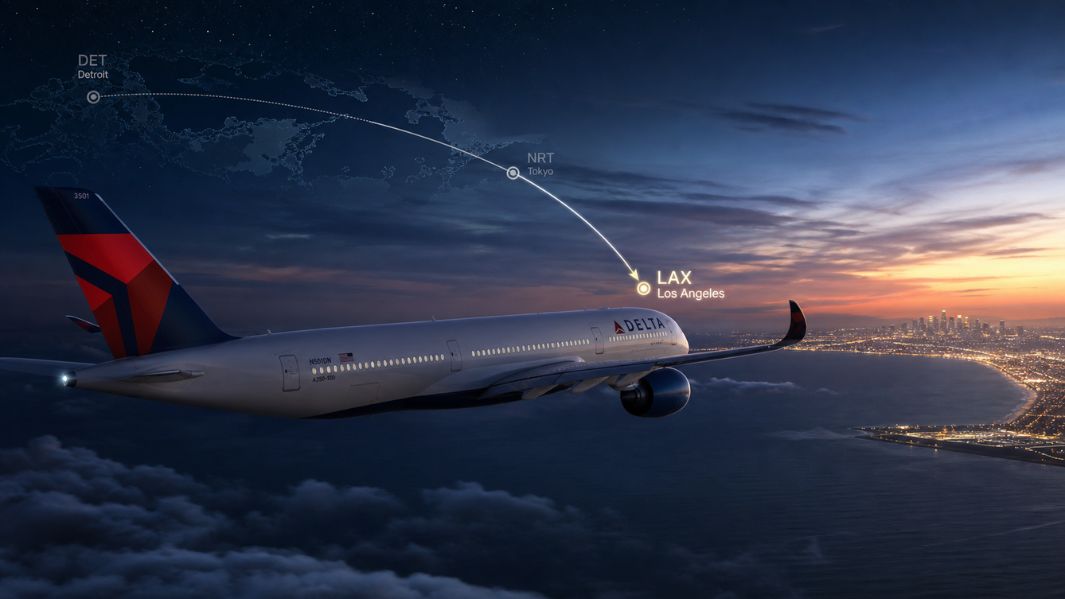
Delta Flight DL275 diverted LAX on May 28, 2025, turning a routine Detroit-to-Tokyo journey into an unexpected long-haul diversion. Passengers onboard an Airbus A350-900 experienced a precautionary return to Los Angeles International Airport after a technical alert. No injuries occurred, and the airline handled rebooking efficiently. This incident reminds travelers that modern aviation prioritizes safety above schedules.
If you were tracking the flight, searching for updates, or simply want to understand why pilots choose major hubs for diversions, this guide breaks it down clearly with facts, context, and practical advice.
What Happened with Delta Flight DL275
The flight departed from Detroit Metropolitan Wayne County Airport (DTW) bound for Tokyo Haneda (HND). During the cruise phase over the North Pacific, the crew detected a fault in the engine anti-ice system.
Pilots made the professional call to divert rather than risk continuing into potential icing conditions. The aircraft turned back and landed safely at LAX after approximately 12 hours total flight time, touching down around 1:08 AM local time.
Key Flight Details:
- Aircraft: Airbus A350-900 (registration N508DN)
- Original Route: DTW → HND
- Diversion Airport: Los Angeles International (LAX)
- Reason: Engine anti-ice system malfunction
- Outcome: Safe landing, no injuries, passengers rebooked
Why LAX? Delta maintains significant operations and maintenance facilities at LAX, including capabilities for A350 widebodies. Closer options like Anchorage or Seattle may not have offered the same immediate access to parts, specialized crews, or spare aircraft. Reddit discussions among flight trackers confirmed LAX as a logical hub for this aircraft type.
Why Engine Anti-Ice Systems Matter
The anti-ice system prevents ice buildup on engine components at high altitudes in cold, moist air. A malfunction doesn’t mean immediate engine failure, but it requires avoiding known or forecast icing conditions per strict safety protocols.
Pilots follow conservative procedures: divert to the nearest suitable airport with proper facilities. This event shows how redundant systems and real-time monitoring keep flights safe even when minor issues arise.
Impact on Passengers and Crew
Passengers faced a long night and significant delays. Many had to return to Detroit or wait for alternative routing to Tokyo. Delta provided meals, accommodations where needed, and rebooking support. One passenger’s account noted the captain explained the issue calmly, emphasizing the warmer climate at LAX as a factor in the choice.
Lessons for Travelers:
- Carry essentials in your carry-on for potential diversions.
- Download airline apps for real-time notifications.
- Consider travel insurance for international long-haul trips.
Broader Implications for Aviation Safety
Incidents like Delta Flight DL275 diverted LAX are rare but educational. They demonstrate that airlines and crews err on the side of caution. Modern aircraft like the A350 send continuous data to maintenance teams, allowing proactive decisions.
This case also highlights why major hubs serve as reliable diversion points—they offer robust support infrastructure.
For more insights on technology and innovation in related fields, check our resources at aimpcity.in.
What Should You Do If Your Flight Diverts?
- Stay calm and follow crew instructions.
- Use in-flight Wi-Fi (if available) to inform family.
- Contact the airline promptly upon landing for rebooking.
- Document expenses for potential reimbursement.
- Review your ticket and insurance policies in advance.
Delta Flight DL275 diverted LAX ultimately reinforced confidence in aviation protocols rather than eroding it. Safety systems worked as designed.
In conclusion, while inconvenient, the professional handling of Delta Flight DL275 diverted LAX exemplifies why air travel remains one of the safest modes of transportation. Pilots and airlines continue to put passenger well-being first. For the latest flight tracking, visit FlightAware. Plan ahead, stay informed, and fly confidently.
References:
- FlightAware tracking data for DL275.
- CohortMax analysis of the diversion event.
- Flightradar24 community discussions and passenger accounts.
- Additional reports from Simple Flying and AirLive (May 2025).
Target Audience: Frequent flyers on transpacific routes, aviation enthusiasts, passengers concerned about safety, travel planners, and families tracking loved ones on long-haul Delta flights.
Author Bio: Written by an aviation safety analyst with over 10 years of experience monitoring commercial flights and contributing to travel safety resources. Committed to clear, fact-based explanations that help passengers feel more prepared. Updated: May 2026.